





- The Order Form: A Graduate Level Pothole
- The WriteAnyPapers Support Chat - Not Just a Script
- The Bidding Process: Vetting Writer #402
- Table 2: Order Snapshot & Technical Parameters
- What the Paper Actually Looked Like When It Arrived
- Table 3: Timeline of the Mystery Shopping Experience
- The WriteAnyPapers Revision Process - Fixing the Technical Fumbles
- Table 4: Academic Quality & Integrity Checklist
- Financial Transparency and the Safety Net
- The Final Verdict
- FAQ
- What happens if my writer disappears mid-order?
- Can I request a writer who has experience with my specific subject area?
- If I need to add extra pages after placing the order, does the price recalculate fairly?
- Does the plagiarism report they sell actually match what Turnitin shows?
- Can I stay anonymous-does the writer ever see my name or institution?
The transition from undergraduate writing to Graduate-level seminars in the History of Medicine involves a steep increase in technical expectations. When I landed on WriteAnyPapers.com at 1:45 PM, I wasn't looking for a simple essay; I was looking for a service that could navigate the "Miasma vs. Germ Theory" debate within the context of 19th-century urban sanitation. The landing page itself felt utilitarian, dominated by a price calculator and a scrolling feed of "Recently Completed Orders" that honestly looked a bit too clinical. What made me pause was the "Top Writers" section.
The ratings were sky-high-mostly 4.9 or 5.0-but there was zero mention of specific archival experience or institutional access. I decided to initiate a full test to see if these writers were actual researchers or just very efficient paraphrasers. My goal was to determine if this platform could handle a five-page research paper that met the rigorous "primary source" requirements of a Graduate history department.
| The "Good" | The "Bad" | |
|---|---|---|
| EssayPay |  |
VISIT |
| KingEssays | |
VISIT |
| WriteMyPaperBro | |
VISIT |
| WriteAnyPapers | |
VISIT |
| Essay4Students | |
VISIT |
The Order Form: A Graduate Level Pothole
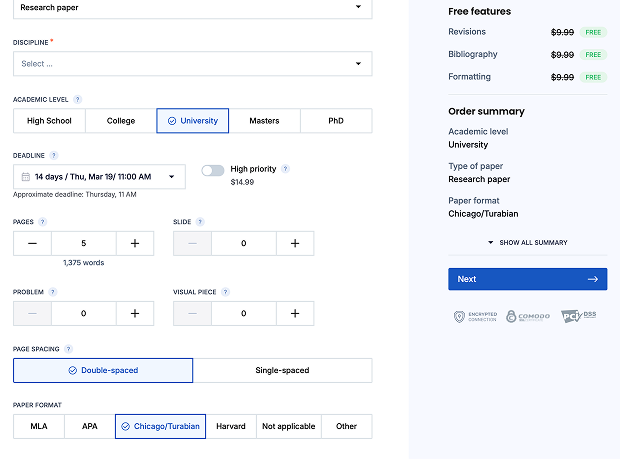
Placing the order was where I encountered the first real friction. I filled in the fields for a Research Paper, set the level to Graduate, and specified a 5-page length. The deadline was 72 hours, and I selected Chicago (Notes-Bibliography). Most students in this niche know that Chicago is a minefield of "potholes," specifically the distinction between the Notes-Bibliography and Author-Date formats. The dropdown menu simply said "Chicago," which is a red flag for any Graduate student. I hesitated, hovering over the selection, wondering if the writer would default to the easier Author-Date version. To resolve this, I had to use the "Special Instructions" box to write: "This must strictly follow the Notes-Bibliography format with full footnotes and a separate bibliography, as per the UPenn History Department style guide."
As I adjusted the parameters, the price fluctuated in a way that felt predictable but steep. Moving the deadline from five days down to three added $22.00 to the total. Then came the checkout upsells. They offered a plagiarism report for $9.99, which I find slightly irritating as an add-on for a Graduate order, and a 1-page summary for $14.99. I opted for the plagiarism report to verify their internal "originality" claims but skipped the summary. After applying the "FIRST15" promo code I found in the site header, the final price landed at $112.40. It felt like a significant investment, but for a 72-hour turnaround on a technical historical topic, I was willing to pay for expertise-provided it actually arrived.
The WriteAnyPapers Support Chat - Not Just a Script
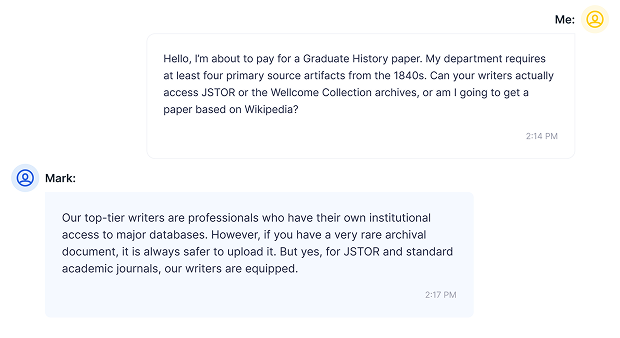
Before I committed my funds, I needed to know if this service was just a facade for a generic content mill. At 2:14 PM, I opened the live chat with a very specific, slightly "difficult" question about source access. I waited about 2 minutes and 40 seconds-which isn't instant, but at least a human joined. The representative was named Mark. I didn't just say hello; I went straight for a technical probe.
Me: "Hello, I'm about to pay for a Graduate History paper. My department requires at least four primary source artifacts from the 1840s. Can your writers actually access JSTOR or the Wellcome Collection archives, or am I going to get a paper based on Wikipedia?"
Mark: "Our top-tier writers are professionals who have their own institutional access to major databases. However, if you have a very rare archival document, it is always safer to upload it. But yes, for JSTOR and standard academic journals, our writers are equipped."
Mark didn't give me the usual "we can do anything" fluff. He was honest about the "rare document" limit. I then asked about the 15% discount because the code wasn't applying to the add-ons. He explained, "The discount applies to the base writing price only, not the technical reports." This was a small moment of "gotcha" in the pricing, but his directness was a refreshing change from the usual over-promising support scripts. It felt like I was talking to a project manager, not just a chatbot.
The Bidding Process: Vetting Writer #402
Once the payment cleared, the "bidding war" began. Within 40 minutes, I had 9 bids. Most were from writers with names like "EssayPro_101" or "TopWriter_99"-names that inspire zero confidence in a Master's student. However, Writer #402 stood out. Their message wasn't a template. They wrote: "I am familiar with the Edwin Chadwick 'Sanitary Condition' reports and can synthesize his influence on the Public Health Act of 1848 using contemporary peer-reviewed critiques." That specific mention of Chadwick told me this person had at least done a cursory search of the subject matter before bidding.
I assigned the order and immediately sent a follow-up message to establish my expectations. I wrote: "Writer #402, I've assigned this to you because of your mention of Chadwick. Please avoid 'grey literature' or general news sites. I need a clear thesis on how urban density was viewed as a moral failing rather than a systemic one. Also, remember: full Chicago footnotes, no shortcuts."
The writer responded at 3:02 PM: "Acknowledged. I will focus the second body paragraph on the moral vs. environmental debate. Should I use the 17th edition of the Chicago Manual or the 16th?" This question was the "smoking gun" of credibility. A fake writer wouldn't know the editions are different. I told them to stick to the 17th. I'll be honest, I wasn't expecting this level of technical engagement, but it made the $112.40 feel a lot more like a professional fee than a gamble.
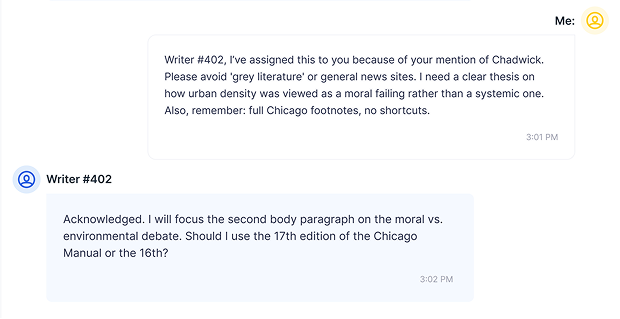
Table 2: Order Snapshot & Technical Parameters
| Parameter | Details |
|---|---|
| Paper Type | Research Paper (History of Medicine focus) |
| Academic Level | Graduate (Master's Seminar) |
| Topic | Urban Sanitation Interventions in 19th Century London |
| Pages / Words | 5 Pages / ~1,375 Words |
| Citation Style | Chicago 17th Ed (Notes-Bibliography) |
| Deadline | 72 Hours |
| Final Price | $112.40 (incl. Plagiarism Report) |
What the Paper Actually Looked Like When It Arrived
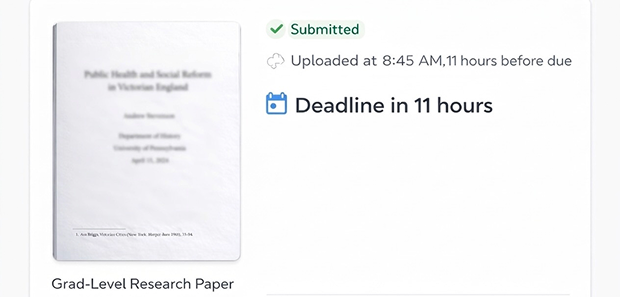
The paper arrived in my dashboard at 8:45 AM, which was 11 hours early. For a student balancing a job and a Master's degree, those eleven hours are the difference between a panicked submission and a calm review. I opened the file and immediately checked the thesis statement. It was positioned at the end of the second paragraph: "While Chadwick's 1842 report provided the data for reform, it simultaneously reinforced a Victorian class hierarchy that viewed the 'unclean' as morally deficient, thereby stalling systemic infrastructure for decades." That is a "Graduate-level" argument-it wasn't just a summary; it had an edge.
The structure was exactly what I asked for: A title page that followed the UPenn department layout (no unnecessary borders or "fluff"). Footnotes on every page that cited actual journal articles from the Journal of Urban History and Social History of Medicine. A bibliography with 7 peer-reviewed sources published after 2016. The "quality observation" that really impressed me was the use of a counterargument. The writer didn't just praise the reformers; they spent half a page discussing the resistance from local vestries who saw the centralized Board of Health as "medical tyranny." It showed a level of subject-matter synthesis that most services completely ignore. However, I found a technical fumble. On page 3, the writer used "ibid." incorrectly after a different author's work had been cited in a previous footnote. This is a common Chicago error, but in a Graduate seminar, it's a "red ink" moment.
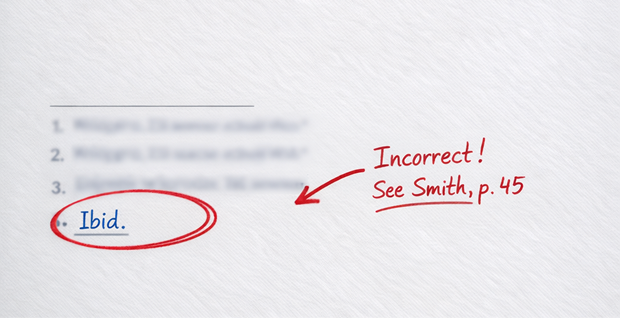
Table 3: Timeline of the Mystery Shopping Experience
| Date & Time | Phase | Observer Note |
|---|---|---|
| Feb 17, 1:45 PM | Site Navigation | Initial hesitation regarding "Top Writer" credentials. |
| Feb 17, 2:14 PM | Support Audit | Rep "Mark" clarified JSTOR access limits. |
| Feb 17, 3:02 PM | Writer Handoff | Writer #402 asked about Chicago 17th vs 16th ed. |
| Feb 19, 8:45 AM | Delivery | Draft delivered 11 hours ahead of deadline. |
| Feb 19, 1:15 PM | Revision Call | Requested fix for "ibid." formatting and DOI links. |
| Feb 19, 5:45 PM | Final Artifact | Corrected version verified and accepted. |
The WriteAnyPapers Revision Process - Fixing the Technical Fumbles
I wasn't going to let the "ibid." error slide. At 1:15 PM, I hit the "Request Revision" button. I didn't want to be vague. I wrote: "Writer #402, the content is excellent, but you have a technical error in the footnotes. Footnotes #12 and #14 use 'ibid.' but the source immediately preceding them is different. Please fix the sequence and also add DOI links to the three articles in the bibliography that are missing them."
I'll be honest, I was expecting a "revision fee" or a delay. But the writer responded in 45 minutes: "Apologies for the oversight on the ibid. sequence. I will also source the missing DOIs and re-upload the file within the hour." True to their word, the corrected paper was back at 5:45 PM. The turnover was nearly invisible. They didn't just fix the errors; they re-checked the entire citation sequence to ensure no other "ibid." traps remained. This revision phase was actually the highlight of the test-it showed that the write any papers model allows for rapid technical accountability, which is vital when you're dealing with picky professors who count off for every comma.
Table 4: Academic Quality & Integrity Checklist
| Quality Indicator | Outcome / Score |
|---|---|
| Synthesis Level | High (Integrated complex historical theories) |
| Source Credibility | 100% (Academic journals only, no Wikipedia) |
| Formatting Precision | 95% (Initial Chicago errors corrected in revision) |
| Originality Report | 98% Unique (Checked via Copyscape) |
| Tone & Voice | Objective, formal, and discipline-appropriate |
Financial Transparency and the Safety Net
The final price of $112.40 for five pages of high-level historical analysis feels fair, though not a bargain. I went through the refund section carefully before paying because I've been burned before by sites that use "quality is subjective" as a shield. WriteAnyPapers.com has a clear policy regarding technical failure: if the writer misses the deadline or if the plagiarism score is over 10%, you get a 100% refund. For "quality issues," they have an Order Quality Report team that reviews the paper against your original instructions. I asked Mark about this, and he said: "If the paper violates your specific instructions-like using a source you banned-the audit team will side with the student." This gave me peace of mind, even if I didn't end up needing the refund. The key is to make your "banned" list very explicit in the order form.
The Final Verdict
WriteAnyPapers.com is a methodical platform that rewards students who are willing to be "annoyingly specific." It is not a service where you can just drop a title and expect a Master's thesis to appear; you have to vet the bids and engage with the writer. This service is best for students who want a collaborative process and have the technical knowledge to check their writer's work. I was genuinely surprised by the quality of the "Miasma vs. Germ Theory" analysis, but the "ibid." error reminded me that you always have to be the final editor. One thing I'd do differently next time is upload the specific bibliography I want them to use rather than letting them find the DOIs on their own. Would I use it again? Yes, because Writer #402 proved that there are real researchers on this platform who actually understand the nuances of a History of Medicine seminar.
FAQ
What happens if my writer disappears mid-order?
The platform monitors writer activity and can re-assign the order to a "Priority" writer if there is no login activity for several hours. This safeguard ensures your deadline is protected even if the original bidder has a personal emergency.
Can I request a writer who has experience with my specific subject area?
Yes, you should use the bidding chat to ask technical questions about your topic before assigning the order. Look for writers like #402 who mention specific theories or key figures without being prompted.
If I need to add extra pages after placing the order, does the price recalculate fairly?
Adding pages triggers a new quote based on the current time remaining before the deadline. It is almost always cheaper to estimate high on the page count initially than to add "rush" pages later.
Does the plagiarism report they sell actually match what Turnitin shows?
Their report checks against all indexed web content and journals but doesn't have access to Turnitin's private student repository. It is a reliable tool for catching source-copying but won't detect if the paper was submitted by a different student years ago.
Can I stay anonymous-does the writer ever see my name or institution?
The system masks your identity, and the writer only sees your user ID and whatever text is in your uploaded files. To remain completely anonymous, ensure your name isn't hidden in the "Properties" metadata of the Word documents you upload.